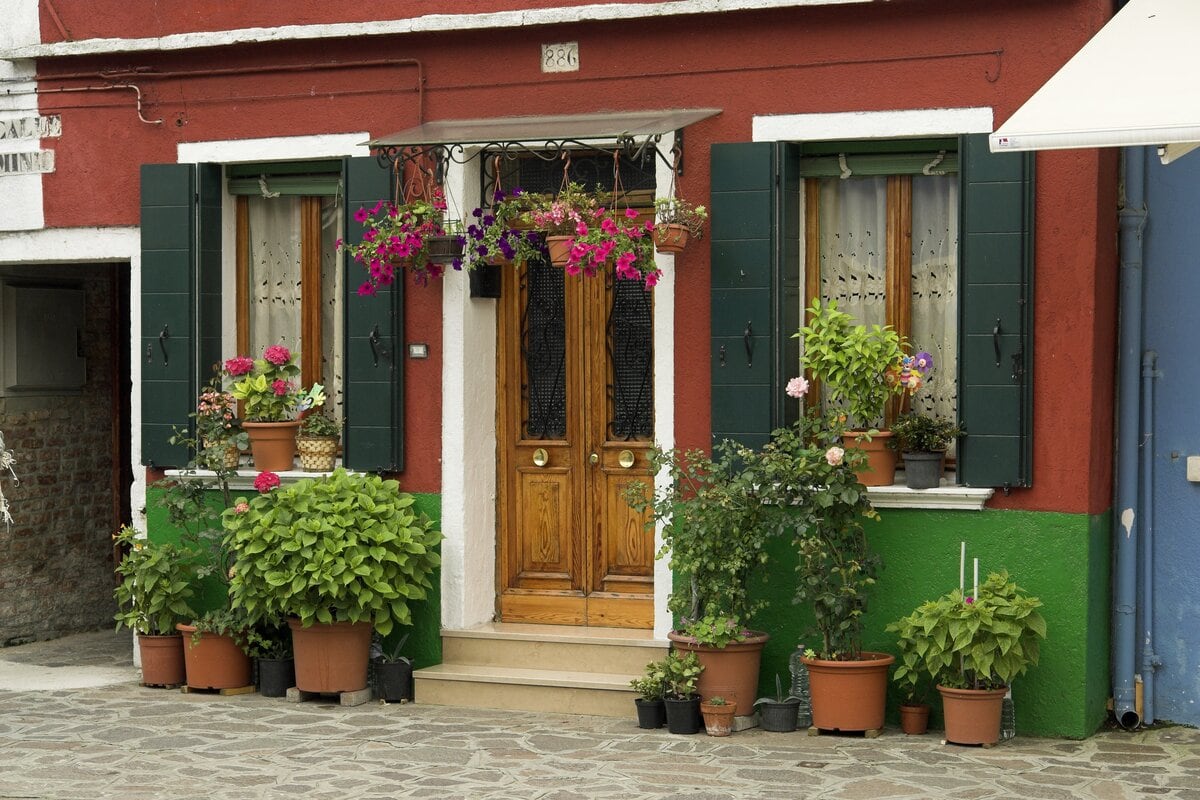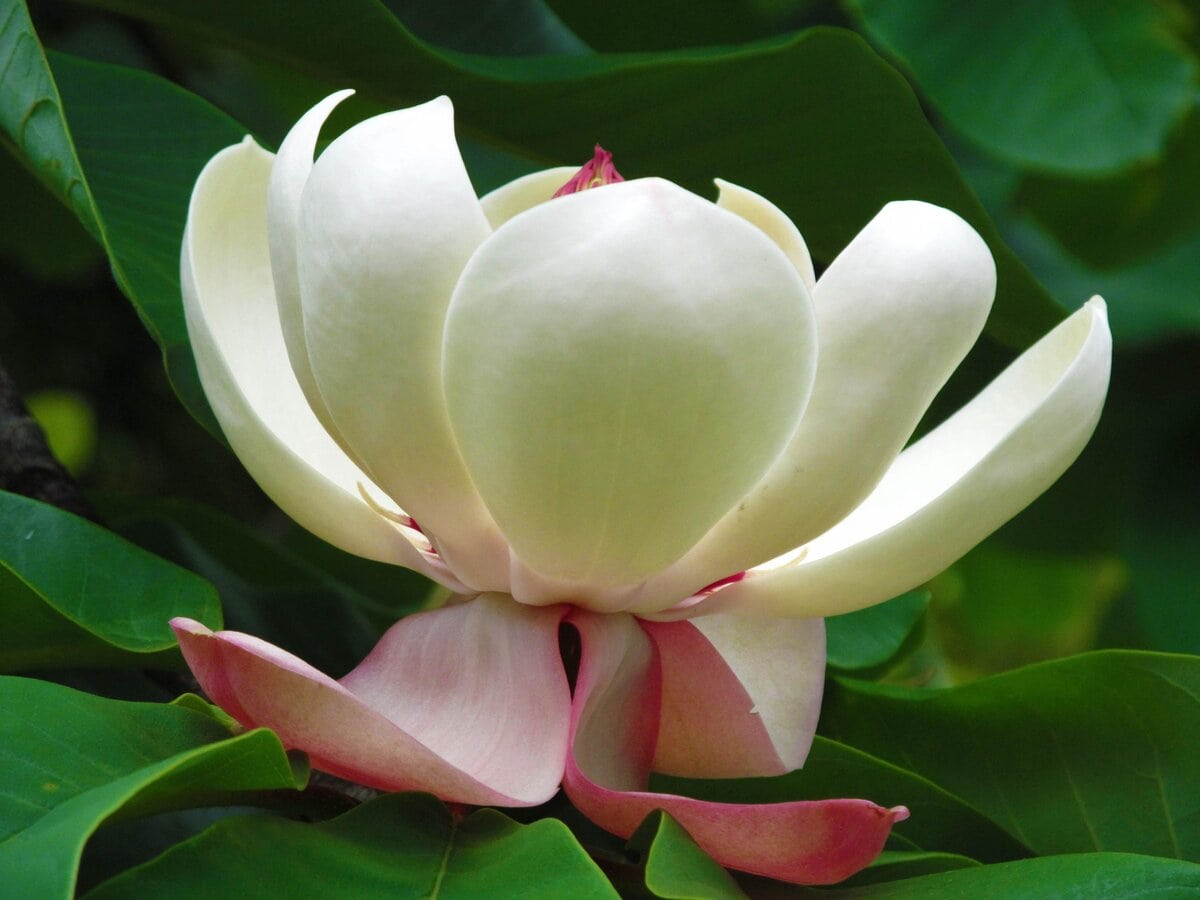
Today, like every other day, we wake up empty
and frightened. Don’t open the door to the study
and begin reading. Take down a musical instrument.
Let the beauty we love be what we do.
There are hundreds of ways to kneel and kiss the ground.
Rumi from The Book of Love: Poems of Ecstasy and Longing,
translation by Coleman Barks
Beauty is in the eyes of the beholder. It is well known that people define beauty according to their own tastes and preferences. But personal preferences aside, what is beauty and why is beauty important? And why would creating beauty be considered a skill worthy of helping make your messy lives more marvelous? Philosophers have struggled with defining beauty and its consequences since the beginning of recorded time. Feel free to do your own research on that. But for the purposes of this blog, I will refer to beauty in two ways: Beauty as a value, and beauty as something that points us to the infinite. Until the mid-20th century, beauty was the primary value of all art. The purpose and cornerstone of art and poetry, music and dance was to create beauty for beauty’s sake. With the advent of modernism in the mid 1900’s, art, dance, music, architecture, and poetry opened to the concept of exposing the ugliness of life. The real messiness of life. Greatly simplified, it was as if years of only looking at the marvelous was a too lop-sided view of life and our artists wanted to be more authentic and expose a more realistic view of life. And so, for decades, the messiness of life has often been the central point of modern art. Rather than the earlier purpose of art being for beauty's sake, the purpose now became to expose the real, to challenge moral taboos, to show originality and uniqueness, to turn society upside down .The pendulum swung and we indulged in raw messiness. Philosopher Roger Scruton, in his award-winning documentary Why Beauty Matters (BBC, 2009) makes an impassioned plea for restoring beauty to a central focus in our culture. He argues that without beauty, our civilization has become a spiritual desert. Beauty points us toward the infinite and the transcendent, and without that, history teaches us that civilizations fail.I believe that 180 degrees from sick is still sick. Where the middle ground is in this debate of beauty or ugly I don’t know. But I do know that for me, exposing myself to beauty in as many ways as possible helps me navigate the intensity and messiness of life. Whether I am listening to beautiful music, strolling through my garden appreciating the hydrangea, cooking a beautiful meal, making a corner of my house aesthetically pleasing, ordering a drawer or a closet, (yup, an organized closet is a thing of beauty to my eyes) taking the time to put on some clothes that are lovely,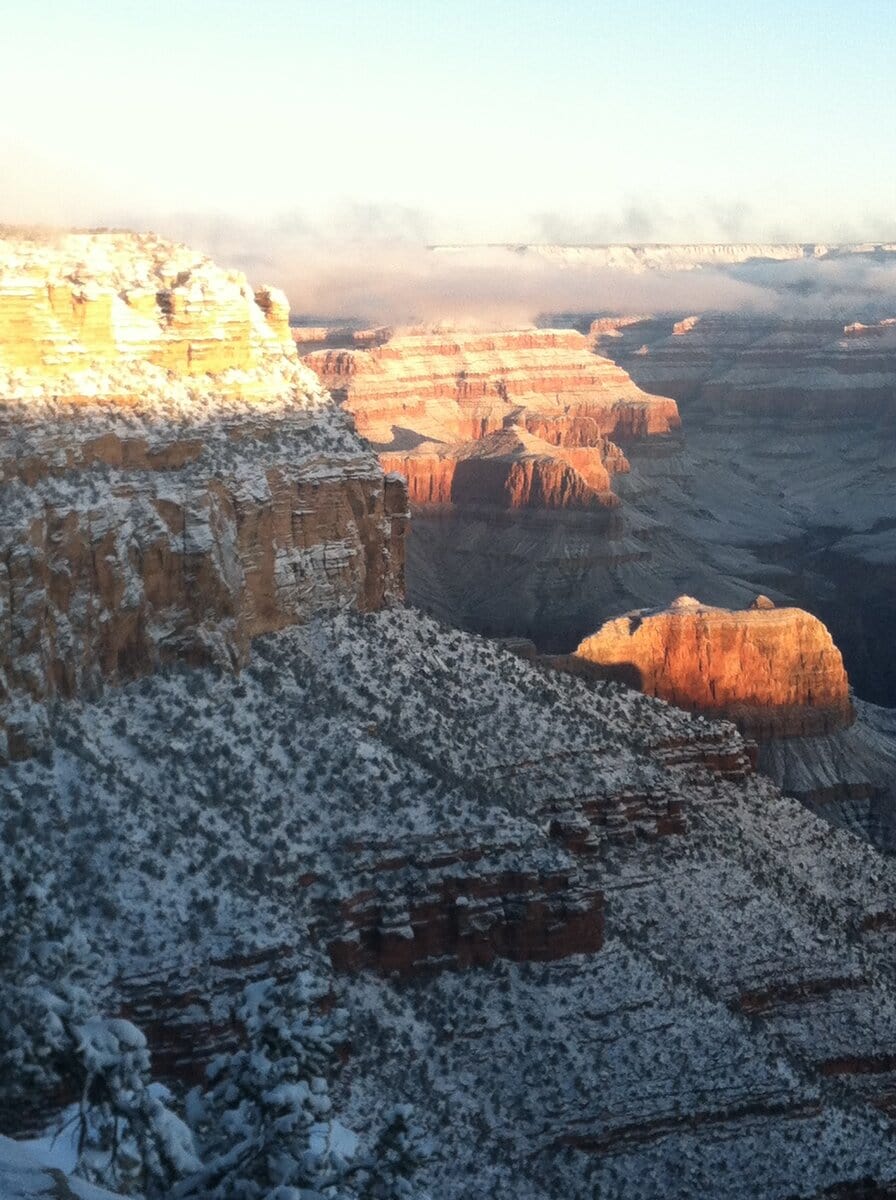
[bctt tweet="Exposing myself to beauty in as many ways as possible helps me navigate the intensity and messiness of life."]Perhaps beauty’s only purpose is to appreciate it. So, like a practice of gratitude, noticing beauty makes us a more aware, more present, less anxious, more thankful, less fearful, and well….maybe more beautiful culture.
Appreciating beauty changes me. It opens my heart. It calms me. It elevates my thoughts. I am less caught up in the messiness of my life and of the world and more able to think about a bigger picture. Beauty gives me a sense of hope and faith in humanity.Early on a June evening in 2004, my husband, daughter and I arrived home from a trip to Italy. Driving down Lake Murray Boulevard toward our home which was then in Irmo, South Carolina I blurted out, "It's so ugly here." We had just returned from a country that embellishes most of its streets with hanging pots overflowing with blooms, its corners with gorgeous statues, and its store fronts with frescoes.